
Mastering the Art of Work-Life Balance: An Inspirational Journey to Harmony
This article delves into the art of work-life balance, offering insights and actionable steps to help you transform each day into a harmonious blend of productivity and personal joy.
11/12/20248 min read
Powerful Morning Tea Blend obliterates pounds! Calorie Burning Made Easy, All Day!
🌞 Calorie Burn: Keep your metabolism running smoothly all day, even after your morning cup.
🌱 Natural, Clean Ingredients: Made with carefully chosen herbs and botanicals for effective, safe results.
Discover the secret to a healthier brew—click to transform your coffee




In today’s fast-paced world, achieving work-life balance feels both like a crucial necessity and an elusive dream. We often find ourselves navigating a daily dance between professional responsibilities and personal needs, searching for ways to infuse harmony into our routines. Mastering this balance isn’t just about dividing our hours between work and leisure; it’s about weaving both into a fulfilling, cohesive life. This article delves into the art of work-life balance, offering insights and actionable steps to help you transform each day into a harmonious blend of productivity and personal joy.
Understanding the Essence of Work-Life Balance
Work-life balance goes beyond simply managing hours between job responsibilities and personal activities. It’s about creating a rhythm that allows each part of life to enrich the other, rather than dominate or detract from it. Instead of striving for an equal split, think of work-life balance as an ebb and flow, where different elements—career growth, family time, self-care, and personal passions—naturally complement one another.
Work-life balance involves more than just dividing time—it's about harmonizing different life areas so they support each other.
Balance is not about equality—achieving balance doesn’t mean splitting time equally between work and personal life but allowing each area to ebb and flow as needed.
Different aspects of life should complement each other—work-life balance is achieved when career growth, family time, self-care, and personal interests enhance rather than detract from one another.
Work-Life Balance Misconceptions
One major misconception is that achieving work-life balance means dividing hours equally between work and leisure. In reality, a perfectly equal split is often impractical and even undesirable. Another common misunderstanding is that work-life balance can be achieved once and maintained indefinitely. However, it is a dynamic, evolving practice that changes as your needs, priorities, and responsibilities shift. Instead of aiming for a rigid schedule, work-life balance is about finding ways to stay flexible and present, whether you’re at the office or at home.
Work-Life Balance Isn’t About Equal Hours: Achieving work-life balance doesn't mean dividing time evenly between work and leisure; a perfectly equal split is often unrealistic.
It’s a Dynamic, Evolving Practice: Work-life balance isn't a one-time achievement; it needs continuous adjustment as personal needs, priorities, and responsibilities change.
Flexibility and Presence Are Key: Rather than sticking to a strict schedule, work-life balance is about being adaptable and fully engaged wherever you are, whether at work or home.
The Importance of Work-Life Balance
The benefits of a balanced life reach far beyond individual well-being. Maintaining a harmonious balance fosters productivity, resilience, and creativity. It reduces stress, enhances relationships, and promotes a positive outlook, which is crucial for long-term happiness and success. On the professional side, organizations that support work-life balance see lower turnover rates, increased productivity, and higher employee satisfaction. On a personal level, balanced individuals are more present, engaged, and capable of enjoying life’s meaningful moments.
Enhanced Personal Well-being: A balanced life reduces stress, improves relationships, and fosters resilience and creativity, contributing to long-term happiness and success.
Professional Benefits: Organizations that encourage work-life balance experience higher employee satisfaction, lower turnover rates, and increased productivity.
Greater Engagement and Fulfillment: Balanced individuals are more present, engaged, and able to fully enjoy meaningful moments in life.
Steps to Incorporate Work-Life Balance into Daily Life
Achieving work-life balance takes intention and effort. Here’s a comprehensive guide to integrating it into your daily routine:
1. Define Your Priorities
Your journey toward work-life balance begins with understanding what truly matters to you. Sit down and list your core values and priorities. Ask yourself questions like:
What are the non-negotiables in my life?
Which aspects of my career and personal life bring me the most fulfillment?
What do I want more of in my day-to-day?
Whether it’s advancing in your career, spending quality time with family, pursuing a hobby, or taking care of your health, identifying these priorities is the foundation of a balanced life. Clear priorities make it easier to make decisions that align with your values and needs.
2. Set Clear Boundaries
In a world where technology blurs the lines between work and personal life, setting boundaries is essential. Define specific work hours and stick to them. Once your workday ends, fully “clock out” both mentally and physically by turning off notifications, leaving your workspace, and dedicating time to personal activities. Boundaries protect your time, allowing you to be fully present whether you’re at work or with family.
A few tips for boundary-setting include:
Communicating your availability with colleagues, clients, and loved ones.
Allocating a designated space for work if you’re working from home.
Using apps that limit your screen time or restrict notifications after hours.
3. Learn the Power of ‘No’
Saying no isn’t about being unhelpful; it’s about protecting your time and energy. Not every opportunity aligns with your values, and constantly saying yes can lead to burnout and resentment. Assess each request or invitation in terms of how it supports your priorities. Declining obligations that drain you gives you room for what truly adds value to your life.
Some helpful ways to say no include:
Being honest but kind: “Thank you for thinking of me, but I’m unable to take on more right now.”
Offering alternatives or suggesting other colleagues if applicable.
Setting realistic boundaries for future requests, so others understand your availability.
4. Embrace Flexibility
If your role allows it, embracing flexible hours or remote work can be a game-changer. Flexibility empowers you to attend personal events or manage home responsibilities without feeling tethered to a rigid schedule. Having control over your time reduces stress and allows you to be more responsive to both work and personal demands.
To make the most of flexible work options:
Communicate your preferred working hours to your team.
Use flexibility to attend to personal needs but ensure it doesn’t compromise work responsibilities.
Adapt your daily routine when unexpected events arise, without feeling guilty
5. Create Transition Rituals
One challenge of balancing work and personal life is switching between the two modes seamlessly. Developing transition rituals can help you make this shift. Whether it’s taking a brief walk, meditating, changing clothes, or engaging in a hobby, these small acts signal to your mind and body that it’s time to switch gears. Transition rituals can help clear your mind and prevent work stress from carrying over into your personal life.
Examples of effective transition rituals include:
Taking a few minutes to journal or write down lingering thoughts after work.
Engaging in a short exercise routine to release tension.
Creating a cozy atmosphere at home by lighting candles or playing calming music.
6. Prioritize Self-Care
Self-care is not a luxury; it’s a necessity. When we neglect our health—be it physical, mental, or emotional—our work and relationships suffer. Incorporate self-care practices into your daily routine, whether it’s through exercise, meditation, journaling, or creative hobbies. By taking time to recharge, you’re better equipped to handle the demands of work and personal life with energy and focus.
Easy ways to prioritize self-care include:
Blocking out time on your calendar for exercise or meditation.
Setting aside a few minutes before bed for a calming bedtime ritual.
Practicing mindful breathing during work breaks to alleviate stress.
7. Use Technology Wisely
Technology can either help or hinder work-life balance. Use productivity tools to streamline your work tasks, but also establish tech-free periods to foster genuine connections with family and friends. By being intentional with technology use, you can reap its benefits without letting it interfere with your personal life.
Some tech tips for maintaining balance include:
Utilizing productivity apps to manage and schedule tasks.
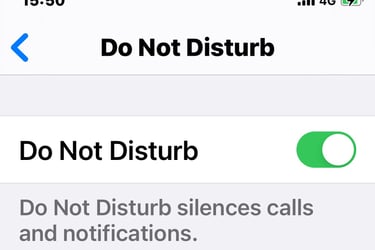
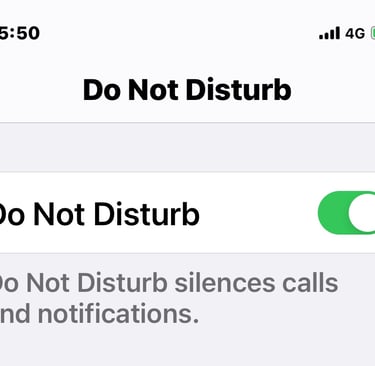
Setting a daily “do not disturb” time for uninterrupted family time.
Unplugging during meals or social activities to enhance presence.
8. Delegate and Collaborate
Both at work and home, learning to delegate can significantly reduce your workload. By sharing responsibilities, you lighten your load, allowing for more balanced engagement. Whether it’s involving colleagues in projects or assigning household chores, delegation fosters teamwork and provides more time for rest and reflection.
Delegation strategies include:
Identifying tasks others can handle and providing them with clear instructions.
Empowering others by allowing them to take ownership of specific responsibilities.
Setting realistic expectations and deadlines for delegated tasks.
9. Regularly Reassess Your Balance
Work-life balance is not static; it evolves as your circumstances change. Regularly check in with yourself to assess how well your current approach is working. Life events like career shifts, family changes, or personal growth may prompt adjustments to your schedule. Staying attuned to your needs allows you to make timely adjustments that support ongoing harmony.
Some ways to assess balance include:
Scheduling periodic reflections to review what’s working and what isn’t.
Asking for feedback from family members or colleagues.
Making small tweaks to your routine based on your current priorities.
10. Cultivate a Supportive Network
Surrounding yourself with supportive people is essential for maintaining work-life balance. Seek out colleagues, friends, and family who understand and respect your efforts to balance work and personal life. A supportive network uplifts you during challenges and celebrates your achievements, fostering a sense of community and connection.
Building a supportive network can involve:
Communicating your boundaries and needs openly with those around you.
Connecting with like-minded peers who value work-life balance.
Offering mutual support to others striving for a balanced life.
The Journey to Mastery: Work-Life Balance as a Lifelong Process
Mastering work-life balance is a continuous journey rather than a final destination. Each small step you take toward balancing your responsibilities and priorities creates a more harmonious and fulfilling life. Remember, work-life balance is a flexible, evolving practice. What works for you today may need adjustment tomorrow, and that’s perfectly normal.
As you progress on this path, keep in mind that the ultimate goal is not perfection but presence and progress. Every day offers a new opportunity to experiment, learn, and refine your approach. With patience and perseverance, you can create a life where your career supports your well-being rather than eclipsing it.
Conclusion: Embracing a Harmonious Life
By mastering the art of work-life balance, you’re not only enhancing your own life but also setting an example for others. Imagine a world where we all work to live rather than live to work—a world where every individual enjoys meaningful time with loved ones, pursues personal passions, and grows professionally without sacrificing well-being. Embrace each moment with mindfulness, allowing both work and life to flourish in harmony.
























Silsé Lifestyles
Empowering you to prioritize mind, body, spirit.
© 2024. All rights reserved. Privacy Policies and Disclaimers.
This website participates in various affiliate programs. These programs are designed to provide a means for sites to earn advertising fees by advertising and linking to products and services across different platforms. As an affiliate, we earn from qualifying purchases. This means that when you click on links to products on our site and make a purchase, we may receive a small commission at no additional cost to you.
Please note that the information provided on this site is for general informational purposes only. We do not guarantee the availability, quality, or accuracy of the products and services promoted. Always do your own research before making any purchase decisions.